Tribes of Saudi Arabia
Traditional costumes reflect the rich cultural identities of Saudi Arabia’s tribes, showcasing their unique heritage, craftsmanship, and regional diversity
Tribes in Saudi Arabia maintain a strong cultural identity through traditional practices, social structures, and linguistic heritage. They play a vital role in the social and political fabric of the country. Tribal affiliations often influence social interactions, marriage, and local governance. Additionally, the Bedouin lifestyle, characterized by nomadic or semi-nomadic existence, is a significant aspect of many tribes’ heritage, though modernisation has altered some traditional ways of life.
In contemporary Saudi Arabia, while the influence of tribes has diminished in some areas due to urbanisation and modernisation, tribal affiliations still hold social and political importance. Tribal customs and traditions continue to be celebrated, particularly in rural areas, and play a role in the cultural preservation of Saudi heritage.
Organising the website into logical sections has also been a challenge. In some instances, costumes had to be grouped by tribe and in others by geographical location. The geographical coverage is determined by the scope of The Mansoojat Foundation collection. As the costumes have been collected from numerous donations and field trips, their geographical distribution is uneven – some regions of the Kingdom are sparsely represented, while others are more strongly represented.
For ease of use, we have allocated the tribes to the five main territories. However, with the tribes of Saudi Arabia, it should be noted that the boundaries of a territory are an artificial constraint on tribes’ movements.
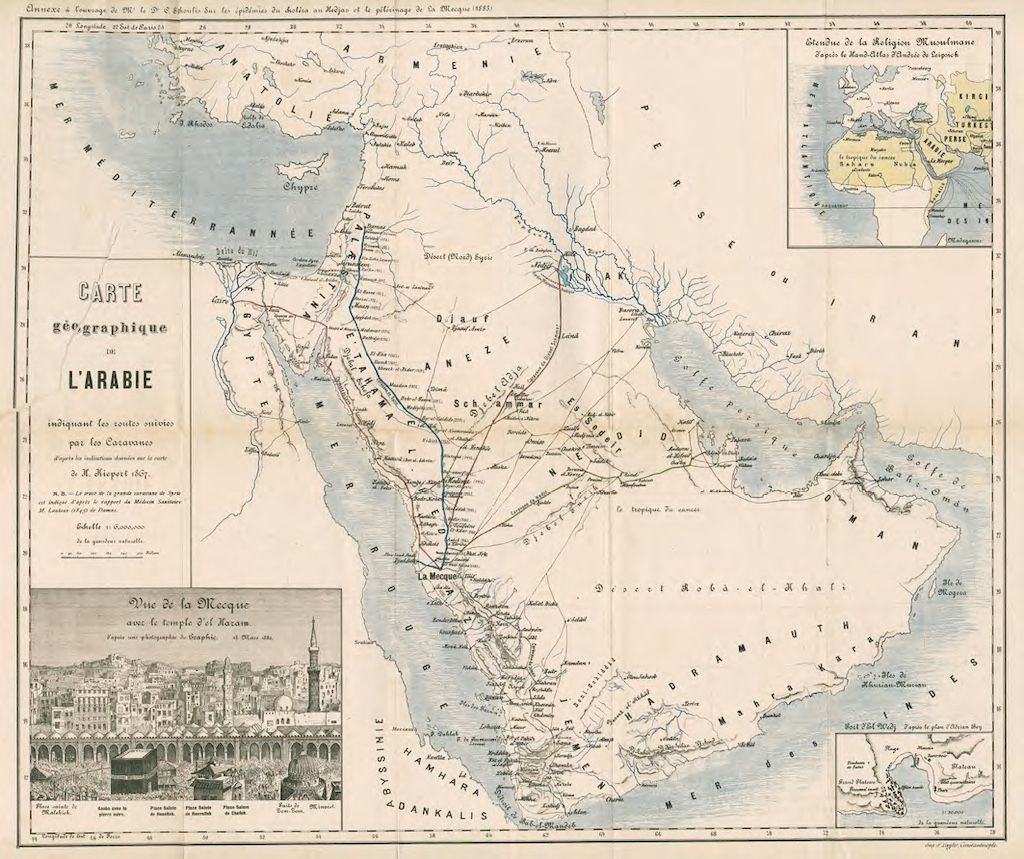
List of tribes in Saudi Arabia, categorized by their primary regions:
Northern Region Tribes
- Shammar – Predominantly found in the Ha’il and northern regions.
- Al-Rashidi – Mainly in Ha’il and surrounding areas.
- Bani Atiyah – Located in the Tabuk region.
- Al-Jawf tribes – Various tribes in the Al-Jawf province, including Al-Sharari.
Southern Region Tribes
- Qahtan – Primarily in the Asir, Najran, and Jizan regions.
- Banu Yam – Centered in Najran.
- Al-Murrah – Found in the southern and eastern parts of the country.
- Banu Amr – Located in the Asir region.
- Ghamid – Situated in the Al-Bahah region.
- Zahran – Found in Al-Bahah and surrounding areas.
- Hawsawi – Present in the southern regions and known for their distinct culture.
- Al-Harbi – Also found in the southern areas, particularly in mountainous regions.
Eastern Region Tribes
- Bani Khalid – Predominantly in the Eastern Province (Ash-Sharqiyah).
- Al-Murrah – Also found in the eastern part of the country.
- Ajman – Located in the Eastern Province.
- Al-Dawasir – Found in the Eastern Province and parts of the south.
Western Region Tribes
- Harb – One of the largest tribes, found in the Makkah and Medina regions.
- Juhaina – Located in the Medina region.
- Banu Hilal – Present in the Makkah and surrounding areas.
- Thaqeef – Found in the Taif region within the Makkah Province.
- Hudhayl – Located in the western region, particularly near Makkah.
Central Region Tribes
- Al-Saud – The royal family and part of the larger Anizah tribe, primarily in Riyadh.
- Anizah – Found in the central region, including Riyadh and Al-Qassim.
- Mutayr – Located in the central and northern areas.
- Subay’i (Subaie) – Present in the central region, particularly around Riyadh.
- Utaybah (Otaibah) – A powerful tribe in the central region, including Riyadh.
- Al-Dawasir – Also found in the central region, including Wadi Al-Dawasir.
- Al-Mujamma’ah – Tribes within the Al-Qassim region.
Notable Tribes Across Multiple Regions
- Qahtan – Spanning southern and central regions.
- Shammar – Found in both northern and central regions.
- Banu Khalid – Present in both eastern and parts of the central regions.
- Al-Murrah – Located in both eastern and southern parts.
- Mutayr – Found in both central and northern areas.
These tribes have rich cultural heritages and have played significant roles in the history and development of Saudi Arabia. Each tribe has its own distinct traditions, social structures, and contributions to the country’s cultural mosaic.
Recent Collection Articles
Explore & discover the splendour of our collection
Recent Articles
RSAA The Royal Society for Asian Affairs
Traditional Costumes and Heritage of Saudi Arabi RICHARD WILDING, 2 JUNE 2021, 14.00 The costumes and jewellery of Saudi Arabia reveal a great diversity of regional and tribal identities, reflecting the Kingdom’s contrasting urban and rural, settled and nomadic, desert and mountain environments. The Arabian Peninsula sits at the centre[...]
Carol McManus Costume Donation August 2010
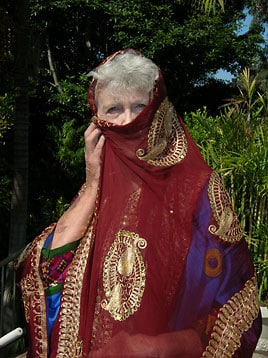
In August 2010, Mansoojat was honoured to receive a significant donation from Carol McManus: a traditional Najd thobe with a distinguished provenance. The garment had been gifted to Mrs. McManus by Marianne Alireza, who herself had received the thobe from Queen Effat Al Thunayan, wife of King Faisal bin Abdulaziz[...]
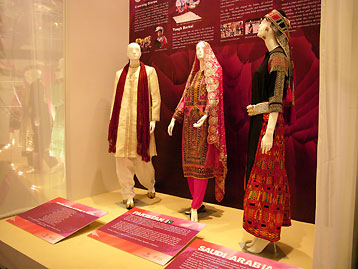
Singapore Heritage Fest Singapore, August 2010
In August 2010, The Mansoojat Foundation presented selected garments from its collection at the Singapore HeritageFest, sharing the richness of traditional Saudi dress with international audiences. Set within Singapore’s dynamic multicultural landscape, the festival provided a meaningful platform for cultural exchange. Visitors engaged with the craftsmanship, symbolism and regional identities[...]